Shared kitchen e-commerce startup tips for creator success
A shared kitchen e-commerce startup model allows creators to transform digital popularity into a tangible food brand without the heavy burden of traditional brick-and-mortar overhead. This strategy focuses on leveraging existing fanbases to sell niche products through online channels using low-cost production facilities.

Key takeaways: * Utilize shared kitchens to minimize initial capital expenditure on real estate and equipment. * Sync product development with digital content to drive immediate e-commerce traffic. * Focus on small-batch production to maintain quality and manage inventory risks.
How to build a shared kitchen e-commerce startup?
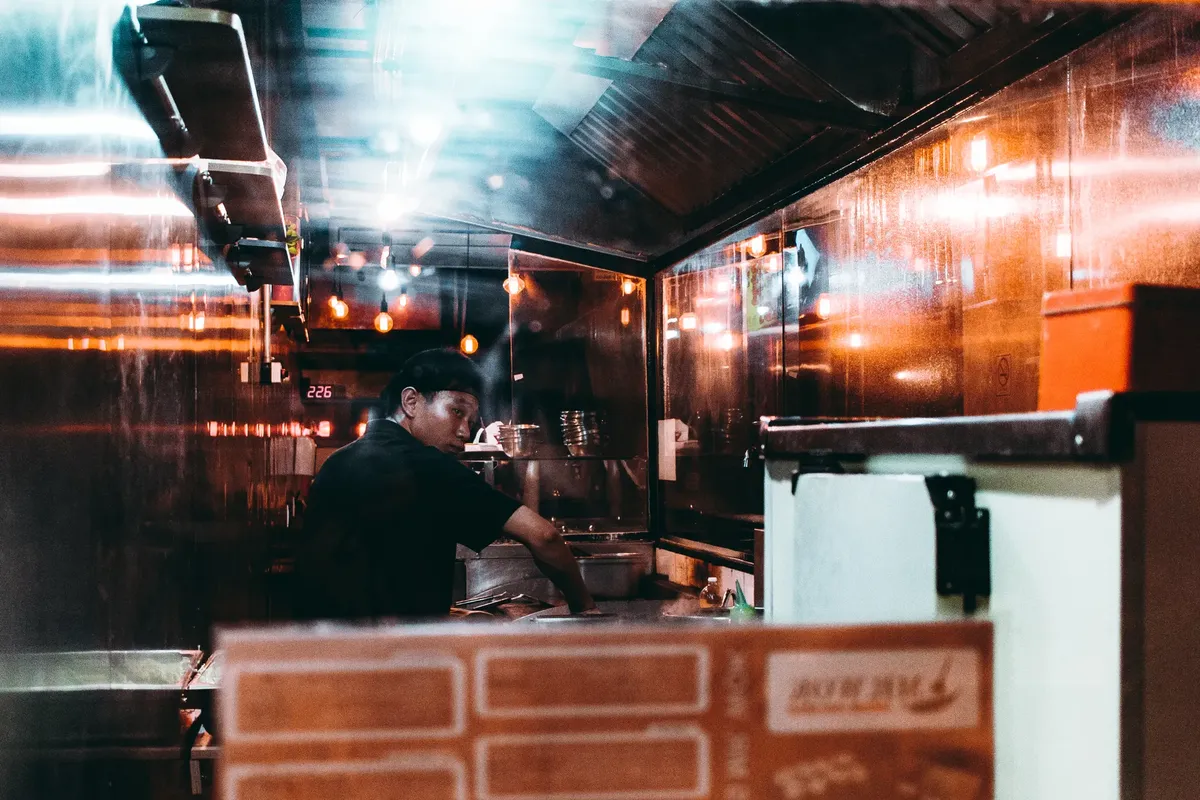
The process begins with a creator standing in a professional kitchen space, checking the temperature of a new sauce recipe. To build a successful shared kitchen e-commerce startup, one must bridge the gap between culinary production and digital marketing.
First, select a shared kitchen facility that meets all local health and safety regulations required for commercial food production. This provides the legal foundation needed to sell products online without owning a private building.
Second, develop a signature product line that complements the creator's existing content style. A small creator business model thrives when the food is visually engaging and easy to ship through standard courier services.
Third, establish an e-commerce storefront to manage orders and customer data directly. This allows for seamless integration between social media promotion and product fulfillment.
I once spent an entire afternoon testing how different packaging materials held up during shipping from a shared kitchen space, ensuring the product arrived intact for my followers.
- Secure a rental agreement with a certified shared kitchen provider. 2. Design and test product recipes to ensure they are shelf-stable or shippable. 3. Launch a dedicated e-commerce website for direct-to-consumer sales.
A final check involves verifying that all labels comply with food labeling laws before the first batch is shipped to a customer.
Why choose this specific business model?
A creator looks at a tablet screen while waiting for a batch of cookies to bake in the shared kitchen. This low cost food online sales approach is designed to mitigate the financial risks that often sink traditional restaurant startups.

The primary advantage is the ability to scale production based on real-time demand. Instead of paying for a large dining area, the creator only pays for the kitchen time used, making it a highly efficient way to operate.
By using a shared kitchen startup guide as a roadmap, entrepreneurs can focus their energy on recipe innovation rather than facility maintenance. This keeps the focus on the brand identity.
The intersection of food and digital media creates a unique synergy. A shared kitchen e-commerce startup can react quickly to viral trends or seasonal demands by adjusting production schedules without being tied to a fixed storefront.
According to World Bank, the 2025 record includes 1.0%.
Managing the logistics of online sales
A box of packaged goods sits on a stainless steel counter next to a shipping label printer. Managing the logistics of a food brand requires a clear plan for inventory and delivery.
A small creator business model can become overwhelming if the volume of orders exceeds the capacity of the shared space. It is essential to sync production runs with shipping days to maintain freshness.
Effective management involves using e-commerce tools to automate order notifications and tracking. This reduces the administrative workload, allowing the creator to focus on content creation.
| Aspect | Traditional Restaurant | Shared Kitchen Model |
|---|---|---|
| Initial Investment | High capital for lease and decor | Low capital for kitchen rental |
I found that setting specific production windows helped me stay organized when managing my first batch of orders.
What are the limitations of this model?
The kitchen light flickers as the creator finishes the final cleanup of the day. While effective, this model is not without its hurdles.
The primary limitation is the physical capacity of the shared space, which can restrict the volume of products produced at one time. This constraint means that sudden spikes in popularity might lead to stockouts if not planned carefully.
World Bank Based on the retained excerpt mentioning World Bank: According to World Bank data, South Korea recorded GDP growth of 1.0% in 2025.
- How to build a shared kitchen e-commerce startup?
- Why choose this specific business model?
- Managing the logistics of online sales
The same subject is also called Creator food business setup.
This part also covers Cost saving food business ideas.
This part also covers Online selling with shared kitchen.
This part also covers Micro creator business strategy.
Cost saving food business ideas
Related
What are the operational considerations for a shared kitchen? Operational considerations demand careful planning regarding workflow within the shared kitchen environment. Creators must coordinate their production schedules with other tenants using the shared kitchen space. This coordination prevents bottlenecks during peak preparation times.
Maintaining strict adherence to hygiene protocols is paramount when utilizing a shared kitchen. The creator must follow all established guidelines to ensure product safety, which is critical for any food brand.
Scaling operations within a shared kitchen requires proactive communication with the facility manager. This ensures that the business can accommodate growth without violating the terms of the rental agreement.
How does digital marketing support the shared kitchen model? Digital marketing directly drives the traffic necessary to utilize the shared kitchen effectively. Content creation serves as the primary funnel, directing interested consumers to the e-commerce storefront. This synergy ensures that kitchen time translates into sales.
The visual appeal of the food, which is a key component of the creator's content, directly influences purchasing decisions online. High-quality photography of the products made in the shared kitchen is therefore essential. This visual proof builds consumer trust.
Effective social media promotion can quickly capitalize on viral moments, allowing the shared kitchen e-commerce startup to meet sudden demand spikes. This rapid response capability is a core benefit of this business model.







Comments 0