Consumer choice needs Beauty fashion brand trust balance
"Beauty is not just about the products we apply; it is about the trust we place in the voices that recommend them."
Navigating the intersection of beauty and fashion requires a careful balance between brand marketing and the authentic voices of creators. This guide explores how to distinguish between commercial promotion and genuine advice to maintain consumer trust.
Key takeaways include understanding the influence of individual vloggers, recognizing the power of niche content creators, and identifying the shift from corporate marketing to personal storytelling.
Why do individual creators hold more weight in beauty content?
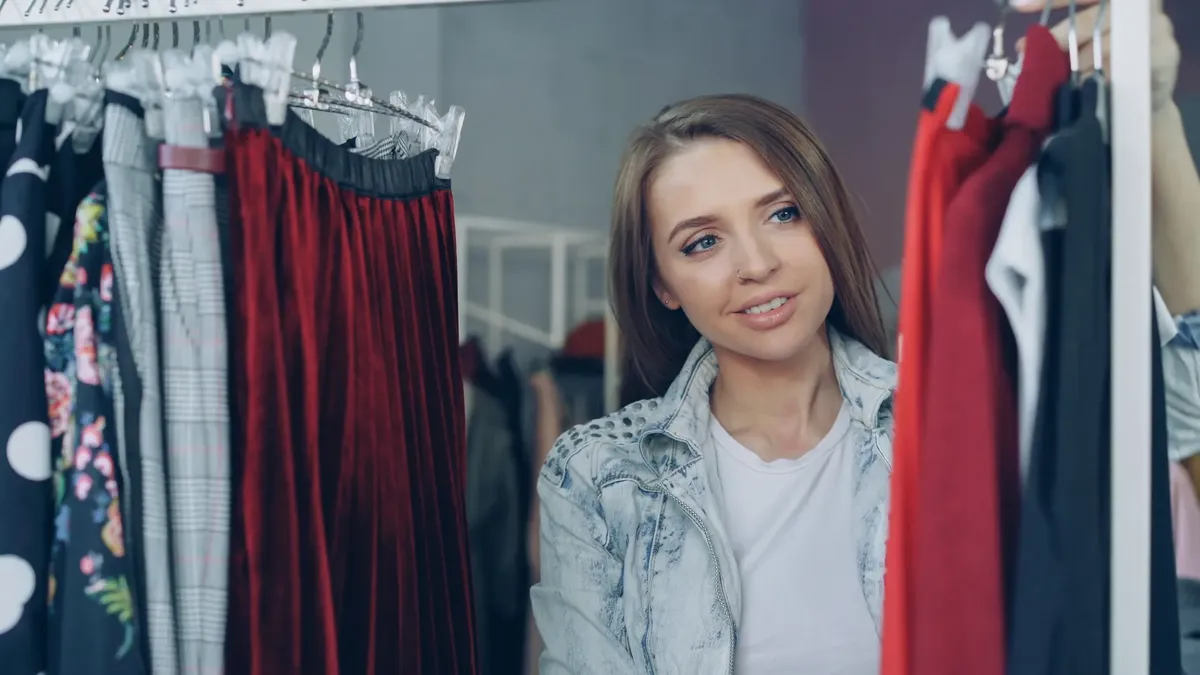
At her cluttered desk during the late evening, the creator leans forward to whisper secrets that make the consumer feel like a close friend.
A creator sits at a desk, adjusting a ring light to capture the perfect angle for a product demonstration. This scene represents the shift in how beauty information is consumed globally.
In the digital landscape, the influence of personal storytelling often outweighs traditional advertising.
In 2016, there were more than 5.3 million beauty videos on YouTube, with 86% of the top 200 beauty videos created by individual beauty vloggers, as opposed to marketers using the platform to promote cosmetic brands.
This massive volume of content demonstrates that viewers often prefer the perspective of a single person over a corporate campaign.
The shift toward individual creators creates a sense of intimacy that big brands struggle to replicate. While a brand might have a massive budget, a vlogger offers a relatable face and a consistent personality.
This creates a unique environment where the consumer feels they are receiving advice from a peer rather than a salesperson.
How can we identify reliable brand information? Beauty fashion brand trust balance
At the dim desk during midnight, the consumer squints at the glowing screen to discern the truth behind the polished labels.
A consumer scrolls through a smartphone, comparing different product reviews to find the truth. This search for authenticity is the core of modern beauty consumption.
Reliability in the beauty industry often relies on the transparency of the source. While large organizations like the Consumer Brands Association (CBA) represent manufacturers of consumer packaged goods, they focus on industry-wide interests.

For the individual consumer, the challenge is to separate these broad industry movements from the specific, actionable advice found in niche content.
Consumer advocacy groups play a vital role in maintaining these standards. Organizations like the Consumers' Association, which publishes Which?, work to protect the interests of people making purchasing decisions.
Understanding the difference between industry-led growth and consumer-led advocacy helps in making better choices.
What are the steps to balance brand influence and personal trust?
A person stands in front of a bathroom mirror, carefully selecting products based on a mix of professional advice and personal experience. This process requires a systematic approach to avoid being misled by clever marketing.
To maintain a healthy relationship with beauty and fashion content, follow these steps:
- Evaluate the creator's history to see if they consistently promote the same brands or if their reviews vary based on product quality. 2. Cross-reference product claims with independent reviews to ensure the information is not purely promotional. 3. Look for content that acknowledges the limitations of a product rather than just its benefits.
I remember once spending hours researching a single skincare routine because I wanted to ensure the ingredients matched my specific needs. This habit of questioning the "perfect" results seen in videos is essential for long-term satisfaction.
A final check involves verifying if the content is sponsored or organic to understand the potential bias of the speaker.
How does the scale of content affect consumer perception?

A desktop monitor displays a massive list of video uploads, showing the sheer volume of content available to the public. This overwhelming amount of data can make it difficult to find the truth.
According to the YouTube Data API, the official YouTube channel 39Counting has 51 subscribers, a total of 44,640 views, and 79 videos.
The sheer scale of digital content can lead to information overload. For example, the Official YouTube Data API data for the channel 39Counting shows 79 videos and 44,640 total views.
While these numbers are specific to one channel, they represent the vast pool of data consumers must navigate daily.
When the volume of content is this high, the "signal-to-noise" ratio becomes critical. Consumers must learn to filter through thousands of videos to find the few that provide genuine value. The challenge is to find creators who provide depth rather than just surface-level trends.
Can brand growth affect the quality of consumer advice?
A boardroom meeting takes place where executives discuss new branding strategies and market expansion. This represents the corporate side of the beauty and fashion industry.
Industry shifts can change how information is presented to the public. Since the CBA's rebranding in 2020, 18 companies have joined it, increasing growth by more than 30%.
This type of growth indicates a healthy, expanding industry, but it also means more players are competing for consumer attention through various marketing channels.
As the industry grows, the competition for "trust" becomes more intense. Brands may use more sophisticated methods to mimic the style of individual creators to gain an edge.

Consumers must remain vigilant to ensure they are not being caught in a loop of highly polished, but ultimately empty, marketing.
- Why do individual creators hold more weight in beauty content?
- How can we identify reliable brand information?
- What are the steps to balance brand influence and personal trust?
The subject here is Beauty fashion brand trust balance.
The same subject is also called Consumer trust in beauty brands.
The same subject is also called How to choose beauty brands.
The same subject is also called Fashion brand loyalty strategy.
The same subject is also called Beauty content and consumer choice.
This part also covers Impact of reviews on brand choice.
This part also covers Building consumer trust in beauty.
This part also covers Fashion trends and brand perception.
Impact of reviews on brand choice
Related




Comments 0