Creator brand e-commerce profit: Tips for audience loyalty
A creator's influence often transitions from digital screens to physical goods, turning personal trust into a sustainable business. This shift allows individuals to move beyond mere ad revenue into direct commerce through curated product lines.
Effective creator brand e-commerce profit strategies rely on leveraging existing audience loyalty to validate new product offerings. Key takeaways include building trust through content, selecting high-quality goods, and managing the transition from influencer to entrepreneur.
How does a creator build trust for product sales?

A creator sits at a desk, adjusting a camera lens while carefully selecting a product to showcase to an audience. This moment of preparation is the foundation of an influencer product sales model, where every recommendation carries the weight of personal reputation.
The process begins by establishing a consistent voice that resonates with a specific community. When a creator shares their daily life or expertise, they are not just making videos; they are building a psychological bond.
This rapport ensures that when they eventually suggest a tool or a lifestyle product, the audience perceives it as a peer recommendation rather than a cold advertisement.
Success in this area requires transparency regarding product utility and personal preference. An influencer product sales model works best when the items presented align perfectly with the established content niche.
If a tech reviewer suggests a desk lamp, the audience accepts it because it fits the context of their expertise.
I believe the second step in this process is the most time-consuming.
How do I build a winning personal brand commerce strategy? A person stands in a brightly lit studio, holding a finished product and smiling at the camera. This scene represents the culmination of a personal brand commerce strategy, where the individual's identity becomes the primary marketing engine.

A strong strategy involves moving from simple sponsorships to owning the supply chain or curation process. Instead of just promoting someone else's brand, the creator develops goods that solve specific problems faced by their viewers.
This direct relationship minimizes the friction typically found in traditional retail.
The strategy must also account for the longevity of the brand. A personal brand commerce strategy should not rely on fleeting trends but on the enduring value of the creator's unique perspective. By focusing on quality, the creator ensures that the brand outlasts any single viral video.
How do you manage YouTuber curation revenue?
An individual carefully unboxes a package, testing the durability of a small gadget before placing it on a shelf. This careful inspection is essential for managing YouTuber curation revenue, as the quality of the items directly impacts the creator's credibility.
Revenue flows from the audience's willingness to purchase items they believe the creator has vetted. This is not merely about selling; it is about providing a service through selection. By narrowing down thousands of choices to a few perfect items, the creator saves the audience time and effort.
Managing this income requires a balance between volume and value. While frequent releases can drive immediate cash flow, over-saturation can lead to audience fatigue. A sustainable approach involves periodic, high-quality drops that maintain the prestige of the brand.

A YouTuber curation revenue model is most effective when the products are an extension of the content itself, rather than an interruption to it.
How do I monetize my creator business? A creator sits at a laptop, reviewing sales data and logistics spreadsheets after a long day of filming. This analytical work is a core component of creator business monetization, turning creative energy into a structured business entity.
To transition successfully, one must follow a structured path:
- Identify a specific product gap within the existing community that the creator's content naturally touches upon. 2. Develop or source high-quality prototypes that meet the aesthetic and functional standards of the brand. 3. Launch the product through a coordinated content campaign that integrates the item into the natural storytelling of the channel.
After the launch, a final check is required to ensure that customer service and shipping logistics can handle the sudden influx of orders without damaging the brand's reputation.
I once watched a creator transition from gaming clips to selling custom-designed keyboards, and the seamless integration made the purchase feel like a natural next step for the fans.
The complexity of creator business monetization increases significantly when scaling to international shipping or third-party logistics.
- Identify niche audience segments.
- Develop scalable product offerings.
- Implement automated sales funnels.
Can we compare different revenue models?
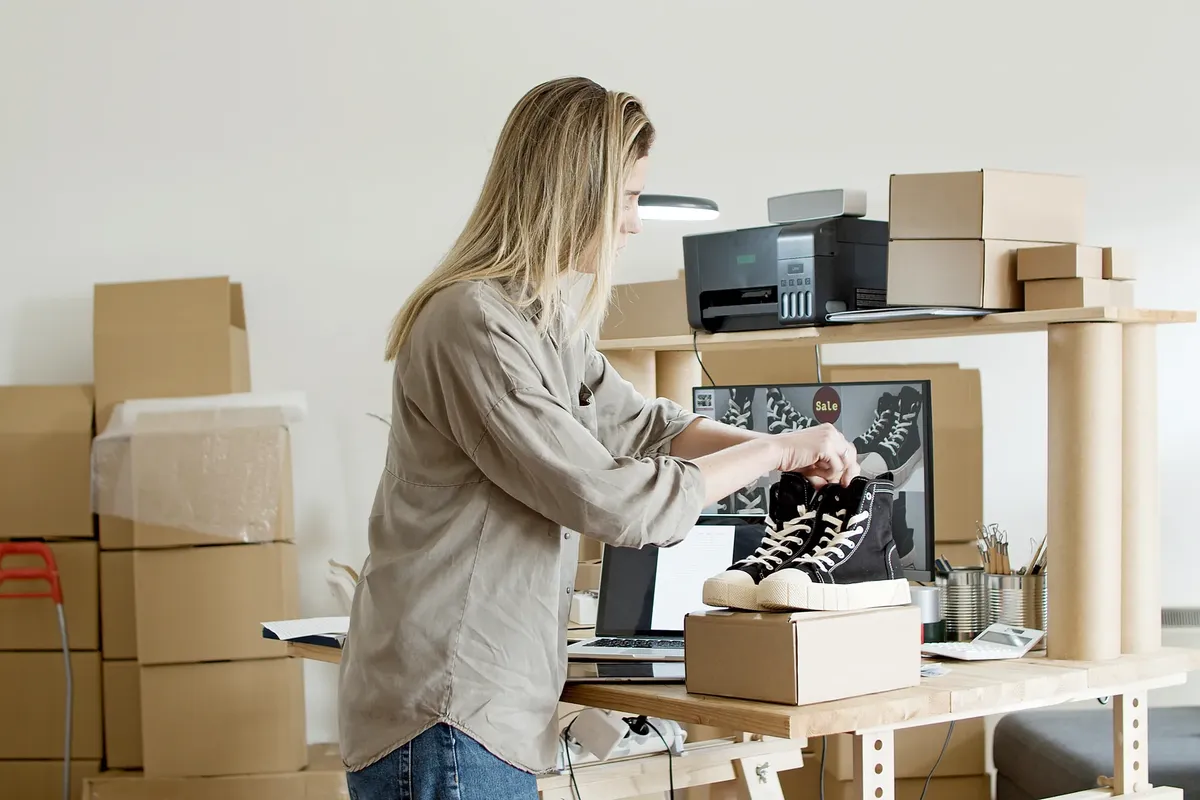
A side-by-side comparison of two different business approaches is presented to clarify the different paths available to digital entrepreneurs.
| Feature | Sponsorship-Based Model | Direct Product Model |
|---|---|---|
| Primary Driver | Third-party brand recognition | Personal brand authority |
| Revenue Control | Low (dependent on brand budget) | High (direct ownership of margins) |
The sponsorship model relies heavily on the external brand's reputation, whereas the direct model relies on the creator's own. While the first offers easier entry, the second offers much higher long-term stability.
Related
- Korean culture global appeal: Tips for content creators
- YouTuber restaurant marketing: Why content drives interest
What cautions should a creator observe when scaling their influence?
- The creator must monitor customer service capabilities to prevent brand damage from shipping issues. 2. A creator should avoid relying solely on ephemeral trends to ensure the brand maintains lasting value. 3. When expanding operations, the creator needs to consider the complexities introduced by international shipping or third-party logistics.
The creator must maintain the psychological bond established with the community even as the business grows. Maintaining this authenticity is crucial when the creator shifts from simply recommending items to owning the entire supply chain.
When is the direct product model superior to the sponsorship model?
The direct product model proves superior when the creator's personal brand authority is exceptionally strong within a niche. This superiority stems from the creator gaining high control over profit margins, unlike the sponsorship model where revenue is dependent on a third-party brand's budget.
The creator can ensure the product perfectly aligns with the established content niche when operating under the direct model. This alignment reinforces the trust built through consistent content, which is the core asset of the creator.
A creator who successfully transitions to direct commerce leverages their existing audience loyalty to validate their own created goods. This shift transforms the creator's influence into a tangible, sustainable business asset.
Wikipedia: ASRock Based on the retained excerpt mentioning External Trade Development Council: Three ASRock products were short-listed for the 2012 Taiwan Brand Award for the first time, and then became endorsed products of the External Trade Development Council when it was promoting the quality image of Taiwan brands globally.








Comments 0