YouTuber restaurant marketing: Why content drives interest
"Content is the new storefront, where a single upload can turn a quiet corner into a bustling destination."
The transition from digital content to physical dining involves leveraging a personal brand to drive foot traffic to a brick-and-mortar location. Successful creators use their online presence to build a loyal customer base, though they must navigate thin profit margins and operational realities.
Key takeaways include understanding market segments, managing workforce dynamics, and balancing digital influence with physical service quality.
How can a YouTuber restaurant marketing strategy work?
At noon, you grip your camera tightly while walking through the steaming kitchen to film your latest YouTuber restaurant marketing strategy.
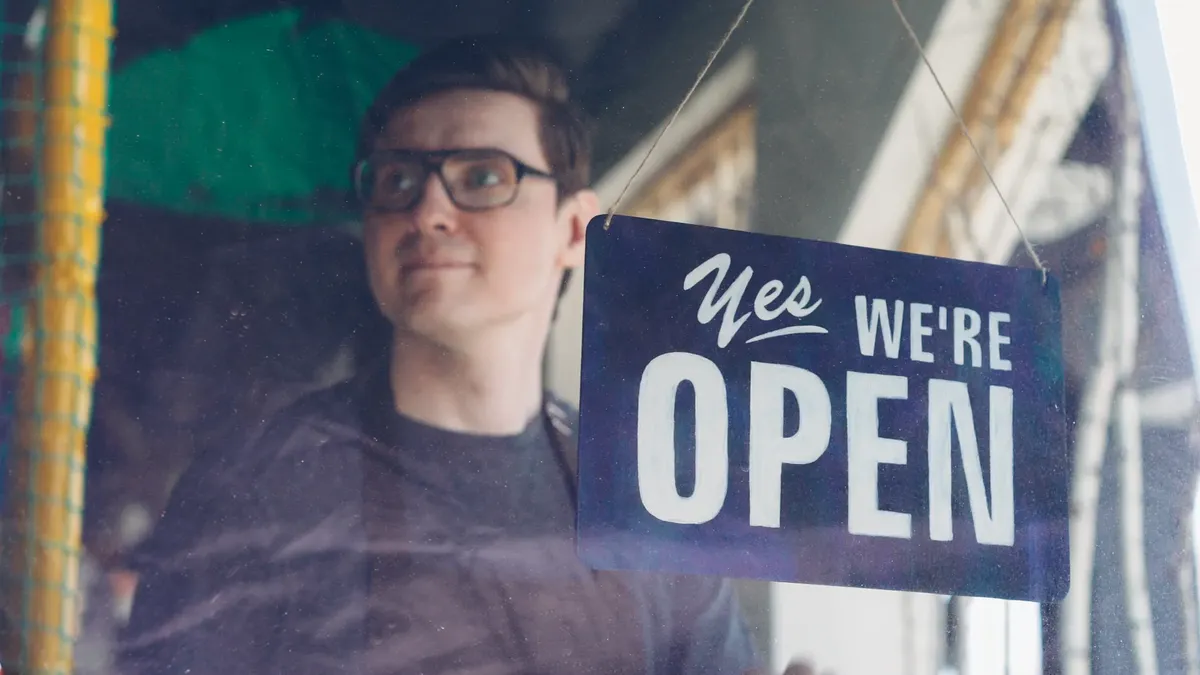
A creator walks into a brightly lit dining room, checking the tablet for new orders while the sound of camera shutters clicks in the background.
This YouTuber restaurant marketing strategy relies on converting digital followers into physical patrons through authentic storytelling and visual engagement. By showing the preparation process online, creators build anticipation before a customer even steps through the door.
The goal is to bridge the gap between a screen and a seat. An influencer cafe strategy focuses on creating an environment that is as photogenic as it is flavorful, encouraging guests to share their own experiences.
This cycle of content creation drives continuous interest and keeps the brand relevant in a crowded market.
Content-driven dining transforms a simple meal into an event that fans want to attend. This method moves beyond traditional advertising by making the dining experience part of a larger narrative.
A vlogger shop growth model often sees sudden spikes in traffic as specific dishes featured in videos become must-try items for the community.
I find that the second step in this process is the most critical.
What does the market look like for an influencer cafe strategy?
A manager reviews a spreadsheet of industry data while observing the flow of customers through the entrance. Understanding the landscape is vital, as the industry is composed of various segments, including 38,797 full-service restaurants and 34,629 limited-service restaurants.
According to the The National Restaurant Association, the estimated restaurant sales were $899 billion in 2020 before the COVID-19 pandemic.
This diversity means a creator must decide whether their brand fits a casual setting or a more formal dining environment.
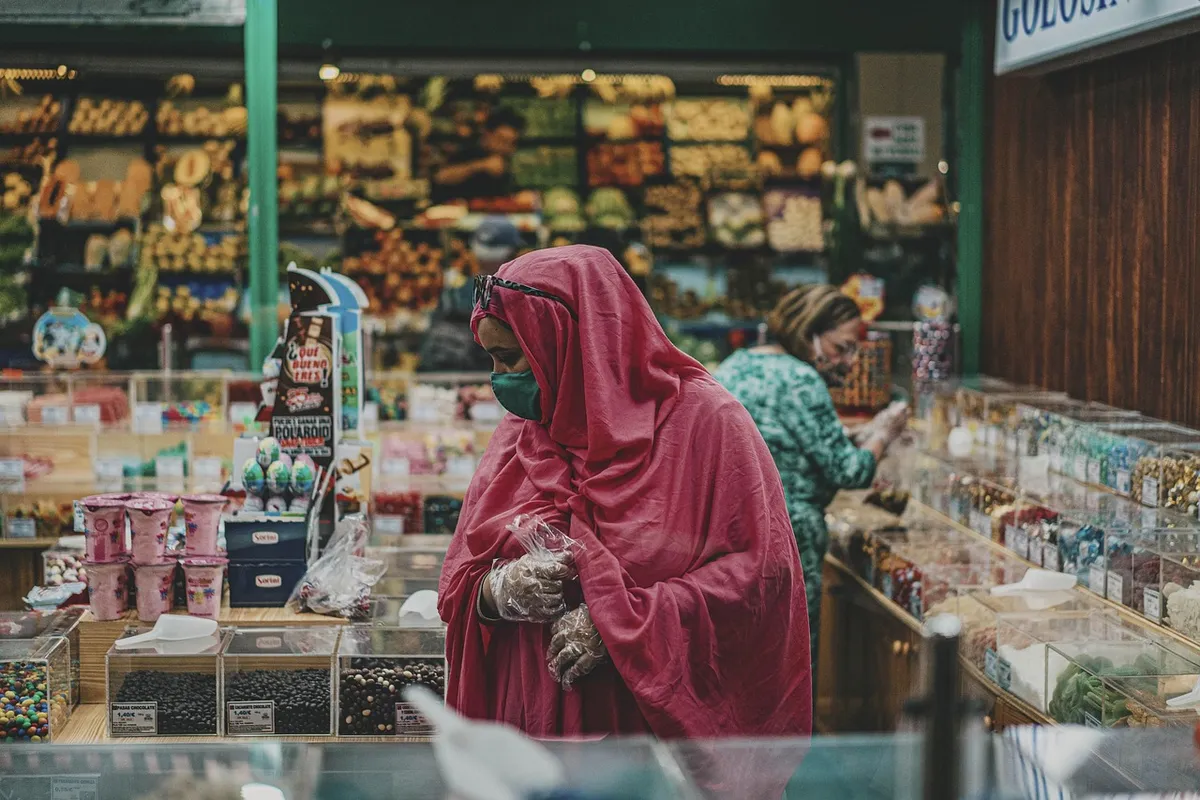
The scale of the industry is massive. Before the COVID-19 pandemic, the National Restaurant Association estimated restaurant sales of $899 billion in 2020. This vast market offers significant opportunities for those who can successfully navigate the transition from digital to physical.
Successful creators often find that an online-to-offline food strategy requires more than just fame; it requires operational excellence. Without a solid foundation, the sudden influx of fans can overwhelm a small team. Balancing these two worlds is the primary challenge for any creator-led business.
According to World Bank, the 2025 record includes 1.0%.
How do creators manage online to offline food transitions?
A chef carefully plates a signature dish, ensuring it matches the visual standard set in recent videos. Managing the shift from a digital audience to a physical crowd requires careful planning to prevent service failures.
An online-to-offline food strategy must account for the physical limitations of a kitchen that may not have been built for sudden, massive crowds.
One effective approach involves scaling the menu to match the kitchen's capacity. This prevents the chaos that often accompanies a viral success. The following steps help manage this transition:
- Design a menu that prioritizes high-margin, repeatable items that can be prepared quickly during peak hours. 2. Train staff to handle high-volume crowds while maintaining the personal connection that fans expect from a creator-led brand. 3. Implement a reservation or queue management system to handle the unpredictable nature of influencer-driven traffic.
A final check of the inventory ensures that the kitchen is prepared for the next surge of customers. I once saw a small cafe struggle because they tried to serve a massive menu to a crowd that arrived all at once.
- Create engaging visual content.
- Invite followers to physical locations.
- Manage the in-person guest experience.
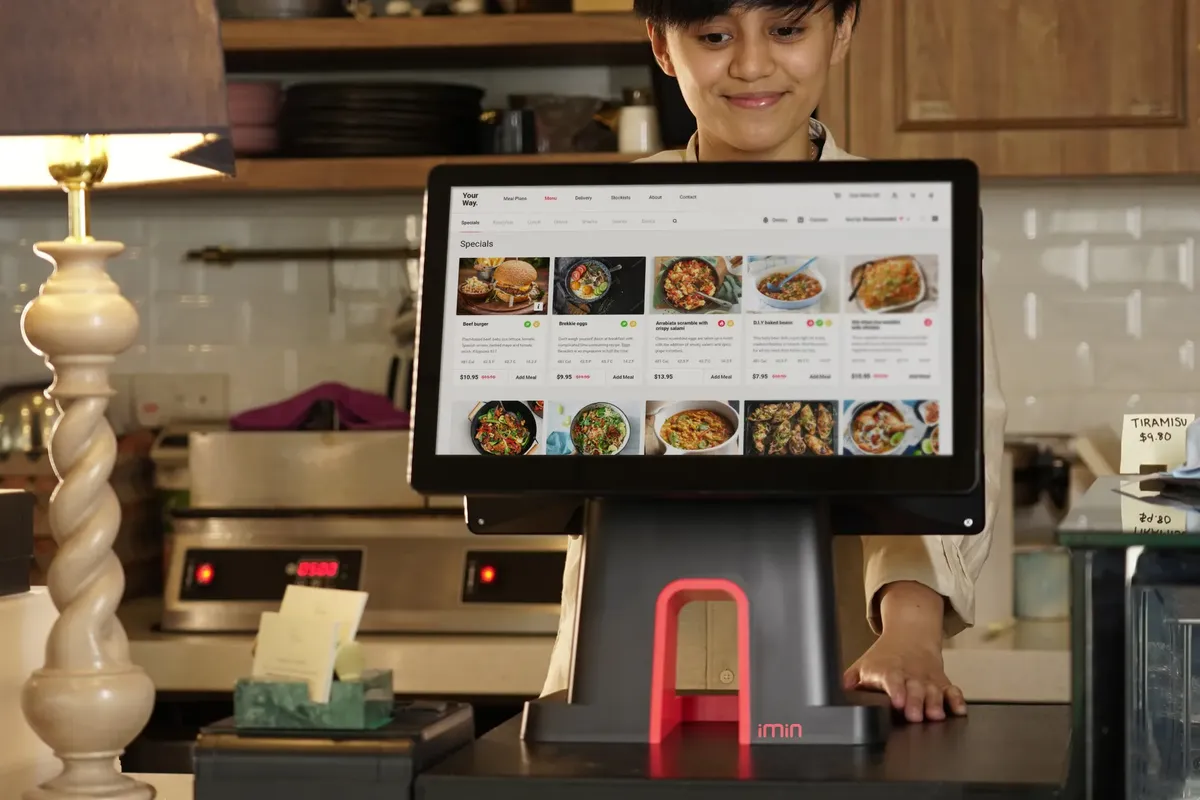
According to International Monetary Fund, the 2026 record includes 3.3%.
What are the risks of vlogger shop growth?
A staff member wipes down a table while looking at a long line of people waiting outside the door. Rapid growth can lead to a decline in quality if the operational infrastructure cannot keep up with the digital hype.
This vlogger shop growth can be double-edged, as sudden popularity often leads to increased scrutiny of food quality and service speed.
The workforce is a critical component of this growth. In many regions, 3.3% of the nation's workforce is composed of restaurant workers. Managing a team that is often working under high pressure requires clear communication and strong leadership to prevent burnout.
Profitability remains a constant concern regardless of fame. Restaurants are known for having low wages, which they claim are due to thin profit margins of 4-5%. Maintaining a healthy business while satisfying a growing fan base requires careful financial management.
According to Association Estimated Restaurant Sales of $899, the 2020 record includes 899 billion.
How do we analyze customer shift from content marketing?
A customer takes a photo of their meal, carefully adjusting the lighting to capture the perfect shot. Analyzing a customer shift from content marketing involves tracking how many visitors arrive because of digital engagement versus local foot traffic.
The goal is to ensure the business is sustainable even when social media engagement fluctuates.
The composition of the customer base can change rapidly. For instance, a business might shift from local regulars to a transient group of fans. This change requires a strategy to retain both the original community and the new followers to ensure long-term stability.
| Business Type | Segment Count |
|---|---|
| Full-service restaurants | 38,797 |
| Limited-service restaurants | 34,629 |
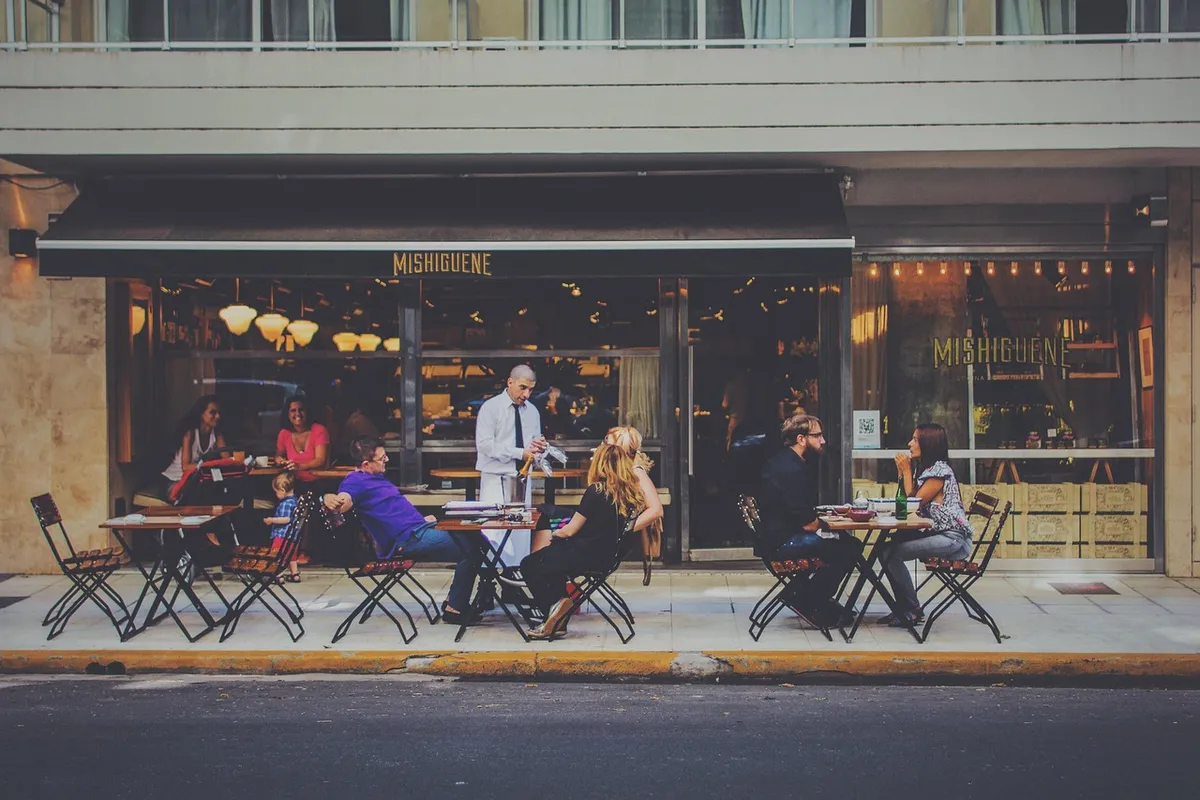
Understanding these numbers helps in planning the scale of operations. I find that comparing these segments helps in identifying the right operational model for a specific brand.
What are the limitations of this model?
A delivery driver picks up an order while the owner looks at the empty dining room during a slow afternoon. A limitation of this strategy is that the business is highly dependent on the creator's continued relevance and the ability to maintain consistent quality.
If the content quality drops or the creator's reputation suffers, the physical traffic may vanish just as quickly as it arrived.
The scale of the industry can be a barrier to entry. For example, the EU-27 has an estimated 1.6 million businesses involved in 'accommodation & food services', more than 75% of which are small and medium enterprises.
Competition is intense, and being a creator does not guarantee a permanent advantage.
Related




Comments 0