Music cover branding strategy: Tips for creators guide
"The material people contribute to the online world" defines the modern landscape of digital presence.
To succeed in the digital age, creators must transition from mere spectators to active contributors by leveraging unique cover branding strategies. This guide explores how to navigate the shift from passive consumption to active production to build a lasting professional identity.
Key takeaways include understanding the creator-to-spectator ratio, recognizing the impact of digital consumption shifts, and implementing structured branding steps.
How do creators transition from spectators to active participants?

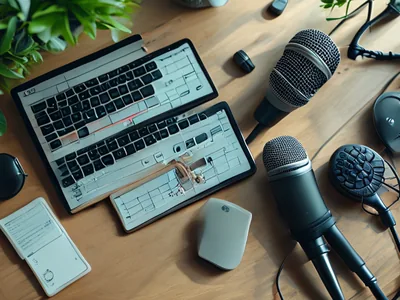
At midnight in the quiet studio, the producer grips the cold metal of the mixer and begins to transform passive listening into original music.
A musician sits in a dim studio, adjusting a microphone while reviewing a digital track on a laptop. This scene represents the jump from consuming music to producing it.
In the digital landscape, a massive portion of the population remains passive.
Research indicates that 69% of American and European internet users are "spectators," who consume—but do not create—online and digital media. This large group provides the audience, but the responsibility for driving engagement lies with the active minority.
To build a brand, a creator must move beyond this spectator role.
The ratio of content creators to the amount of content they generate is sometimes referred to as the 1% rule. This rule of thumb suggests that only 1% of a forum's users create nearly all of its content. This small group often dictates the trends that the larger spectator group follows.
- Identify a specific niche of interest.
- Develop a consistent posting schedule.
- Engage directly with the community through comments and feedback.
What does the data say about content creation activity? Music cover branding strategy
While scrolling through the bright screen at dawn, the artist feels a sudden surge of inspiration to record their own music.
An artist scrolls through a social media feed, noticing how quickly new videos and images appear. This constant flow demonstrates the scale of digital contribution.
The level of engagement varies significantly among different demographics. According to research, 8% of Internet users are very active in content creation and consumption. This group represents the core of the digital economy, driving much of the platform's activity.

Historically, the shift toward digital platforms has changed how groups interact with media. For instance, as of 2005, around 21 million teens used the internet and 57%, or 12 million teens, consider themselves content creators.
This demonstrates that even in earlier digital eras, a majority of young users viewed themselves as active contributors.
Successful music cover branding strategy requires understanding these engagement levels. By targeting the active 8%, creators can build a foundation of loyal fans. These fans often act as the catalyst for broader visibility among the spectator majority.
In this sequence, the second step is the longest.
How can creators build a professional brand identity?
A producer organizes a digital folder of high-quality cover art and audio files. This organization is the first step in establishing a professional presence.
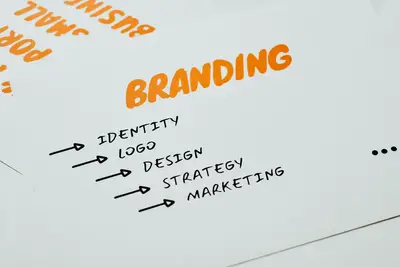
Building a brand requires a structured approach to ensure consistency. To develop a professional presence, follow these steps:
- Define a unique sonic signature that distinguishes your covers from original tracks. 2. Establish a consistent visual identity across all digital platforms to ensure recognition. 3. Engage with the active community to foster loyalty and organic growth.
After completing these steps, perform a final check to ensure your visual and audio elements align with your intended brand persona. I once spent hours perfecting a single cover's lighting just to ensure it matched the mood of the song.
A common limitation is that the 1% rule suggests a highly competitive environment where a tiny fraction of users generates the vast majority of content. This means that while the opportunity is great, the barrier to gaining significant visibility is high.
Why did the industry shift toward digital formats?

An individual switches from a physical CD player to a streaming application on a smartphone. This change reflects the historical movement toward digital distribution.
According to the Music Industry Association of Korea, the organization changed its name in May 2004 to reflect changing patterns in music consumption as consumers turned increasingly to digital downloads over physical media.
The evolution of the industry has been shaped by changing consumption habits. In May 2004, the Music Industry Association of Korea changed its name to reflect changing patterns in music consumption, as consumers turned increasingly to digital downloads over physical media.
This transition mirrors the global shift toward digital-first content.
The Music Industry Association of Korea was a South Korean music organisation that protected the rights of music labels and distributors. This shift toward digital rights management became essential as the industry moved away from physical media.
Understanding this history helps creators realize that digital ownership and distribution are central to modern branding. A successful music cover branding strategy must account for how listeners discover and consume music in a digital-only environment.
How does technology influence the content landscape?
A creator uses an AI-powered tool to suggest a melody or an image background. This interaction shows how automation is becoming part of the creative process.
Technology is rapidly reshaping how content is produced and recommended. Researchers have found that over 80% of social media content recommendations are powered by AI now and 71% of social media images are AI-generated, reshaping content creation across platforms.
This means that algorithms play a massive role in who sees which content.

To navigate this, creators must understand how to work with these automated systems. Using a specific music cover branding strategy can help content remain relevant within these algorithmic recommendation engines.
While technology provides tools, the human element remains vital for authentic branding. The goal is to use these tools to enhance, rather than replace, the unique creative voice that attracts a dedicated audience.
The same subject is also called Boost brand value music.
The same subject is also called Cover branding for creators.
The same subject is also called YouTube music strategy tips.
The same subject is also called Elevate brand with covers.
This part also covers Successful cover branding cases.
This part also covers How YouTubers build brand.
This part also covers Music content value increase.
Successful cover branding cases
Related




Comments 0