Music content cover branding: Guide to creator shift
"The material people contribute to the online world" defines the digital landscape we inhabit today.
Effective music content cover branding requires a strategic shift from passive consumption to active identity building.
This guide explores how artists can navigate the transition from spectator to creator, utilizing specific engagement strategies to build lasting brand loyalty through digital media.
Key takeaways: * Understanding the distinction between spectators and active creators is vital for audience targeting. * Leveraging the "prosumer" role allows artists to bridge the gap between production and consumption. * Developing a unique attitude-based brand can foster deep-seated loyalty.
How can artists navigate the shift toward prosumerism?
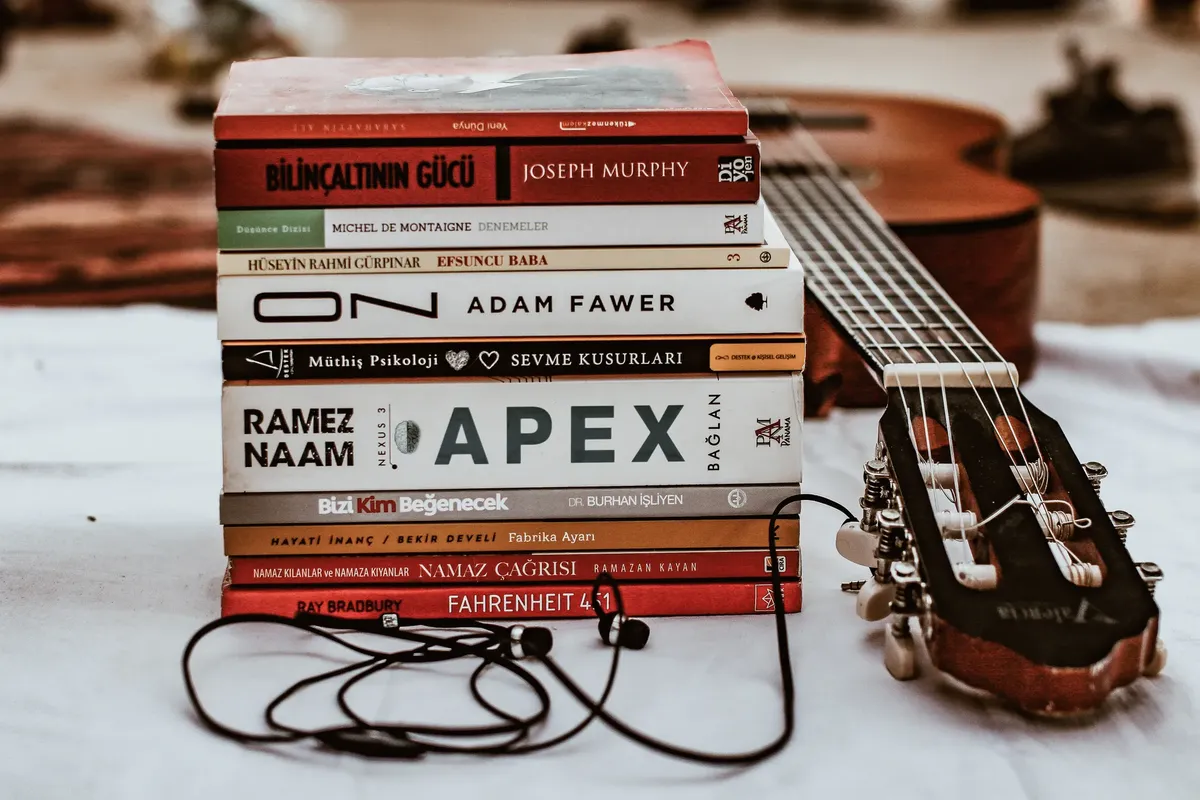
At midnight in the quiet studio, the artist leans forward to adjust the levels, feeling the vibration of the music through the wooden desk.
A musician sits in a dimly lit studio, adjusting a microphone while simultaneously checking real-time engagement metrics on a tablet. This duality of creating and interacting defines the modern digital presence.
In the book *Wikinomics*, Williams describes the shift from a traditional consumer role to a "prosumer" role, where an individual both creates content and consumes it. For musicians, this means the brand is not just the audio, but the entire interactive experience.
Developing a music YouTube content strategy requires embracing this dual identity to engage fans who want to participate in the creative process.
The transition involves moving beyond mere performance to include community interaction. By treating the audience as active participants rather than passive listeners, artists can build a more resilient brand.
However, this approach may be less effective when the audience seeks purely passive entertainment. I will address this transition in the first section.
What is the reality of the content creator ratio?
At dawn in the empty studio, the artist stares at the screen while the sudden swell of music vibrates against their skin.
An artist watches a video of their own cover song go viral, noting how a tiny fraction of viewers drives the majority of the engagement. The sheer volume of digital noise makes standing out a unique challenge.
While many people consume media, the ratio of content creators to the amount of content they generate is sometimes referred to as the 1% rule, a rule of thumb suggesting that only 1% of a forum's users create nearly all of its content.

This small group often dictates the trends that the rest of the audience follows. Understanding this dynamic helps in developing a music content strategy that targets the most influential segments of an audience.
Targeting this active core can lead to exponential growth as they become the primary drivers of visibility. This reality necessitates a high-quality approach to every upload.
This dynamic does not apply to niche markets with extremely limited participation. I will examine this imbalance in the second section.
How does audience behavior affect brand loyalty?
A fan scrolls through a social media feed, pausing on a specific artist's video because the aesthetic matches their personal identity. This momentary connection is the seed of long-term brand recognition.
According to a survey conducted by the Pew Research Center, the content thus created was defined as "the material people contribute to the online world." This material serves as the foundation for how audiences perceive and interact with brands.
Using music for brand identity involves creating content that resonates with the values and lifestyles of these contributors.
Building brand loyalty requires more than just catchy melodies; it requires a consistent visual and emotional language. This consistency turns casual listeners into dedicated brand advocates.
The impact remains limited when consumer engagement is purely transactional. I will discuss this relationship in the third section.
What role does attitude play in branding?
A designer selects a specific color palette and font to match the rebellious tone of a new indie album cover. The visual elements are carefully chosen to project a specific persona.
In the 1999 book *No Logo*, Naomi Klein describes attitude branding as a "fetish strategy." For music artists, this means the brand is often built around a specific attitude or lifestyle rather than just the product itself.
This type of cover branding for artists focuses on emotional resonance and identity signaling.
This strategy works by creating a sense of belonging among the audience. When a brand represents an attitude, fans don't just listen to the music; they adopt the brand.
This influence is not universal across all demographic segments. I will focus on this psychological aspect in the fourth section.
How do we manage the spectator-to-creator pipeline?
A student watches a tutorial on music production, feeling the urge to record their own track and upload it for the first time. The line between watching and doing is becoming increasingly blurred.
The demographic split in digital engagement is significant, as 69% of American and European internet users are "spectators," who consume—but do not create—online and digital media. For an artist, the goal is to convert these spectators into active participants.
This is a key part of building brand with music, where the content serves as an invitation to engage.
Successful creators provide "entry points" through challenges, tutorials, or interactive sessions. This helps move the audience from passive watching to active engagement.
The strategy is less applicable to industries with high barriers to entry. I will detail this management process in the fifth section.
How can artists balance AI and human creativity?

An artist uses an AI tool to generate a unique background for a digital single cover, blending machine efficiency with human artistic direction. The intersection of technology and art creates new possibilities.
Current trends show that over 80% of social media content recommendations are powered by AI, and 71% of social media images are AI-generated. This technological shift reshapes how content is discovered and perceived.
While AI can assist in production, the human element remains the core of authentic branding.
Artists must learn to use these tools to enhance, rather than replace, their unique creative voice. Maintaining human authenticity while utilizing AI-driven discovery is the new standard for digital success.
The balance becomes difficult when technical automation replaces the core artistic intent. I will conclude with this topic in the final section.
Related
- K-music cover branding: Tips for cover content growth
- Branding Your Music: A Digital Musician's Guide to Success
What are the risks of relying solely on AI tools? 1. Over-reliance on AI generation risks diluting the unique artistic signature that defines a brand. 2. The human element provides the necessary authenticity that AI tools currently lack in deep emotional connection. 3. Artists must ensure that the material people contribute retains a distinct human viewpoint despite technological assistance.
When does passive consumption become detrimental to branding? 1. When an audience remains purely in the spectator role, the artist misses opportunities for deep loyalty development. 2. The lack of interaction prevents the formation of the shared identity that attitude branding seeks to establish. 3. Continuous passive viewing does not equate to brand advocacy, which requires active participation from the people.
The shift toward prosumerism demands that artists view every piece of content as a potential invitation for the people to participate in the narrative. This active invitation is what transforms a listener into a brand advocate, solidifying the emotional connection.
Maintaining this balance between automated assistance and genuine artistic input is crucial for long-term digital presence.



Comments 0