How can specialized backgrounds affect social integration?
"The transition from a controlled environment to the vast landscape of South Korean media requires more than just new tools; it demands a complete reconstruction of identity and purpose."
This study examines how defectors from North Korea navigate the complexities of South Korean society through the lens of media engagement and creative expression.
It explores the integration process, the use of artistic or digital platforms to share lived experiences, and the challenges of transitioning from state-controlled propaganda roles to independent creators.

Key takeaways include the importance of historical context in storytelling, the role of creative outlets in social integration, and the specific hurdles faced by those with specialized backgrounds.
How do defectors transition from propaganda roles to creative expression?
At the quiet desk, I grip a stylus and feel the cool metal against my palm as I trade my specialized propaganda training for the blank canvas of a digital screen.
A former propaganda officer sits at a desk, looking at a blank screen instead of a state-approved poster. This shift represents the fundamental change in agency experienced by many defectors who once worked within state-led communication units.
In some cases, individuals with specialized training in state propaganda find new ways to communicate their truths. For example, Park Sang-hak worked in a propaganda unit of the Kim Il-sung Socialist Youth League until his family fled to South Korea.
This background in state-managed messaging provides a unique, albeit complex, foundation for understanding how information is shaped and disseminated.
The transition involves moving from being a tool of the state to becoming an independent voice. This process is not merely about learning new technology but about reconciling past roles with new freedoms.
The ability to use artistic mediums, such as crayon drawings depicting abuses by North Korean authorities against civilians, serves as a powerful tool for social engagement.
- Deconstructing previous ideological frameworks to identify authentic personal values.
- Translating lived experiences into artistic mediums such as literature or visual arts.
- Engaging with diverse creative communities to build a new identity.
How does history shape how I engage with media? North Korean YouTuber settling in Korea An artist picks up a crayon, sketching scenes of past hardships to convey a message to a new audience. The weight of history often informs the content created by defectors, bridging the gap between their past and their new reality.

Understanding the timeline of North Korean history is crucial for creators who wish to provide context to their audiences. For instance, initial assistance to North Korea started as early as 1990, with small-scale support from religious groups in South Korea and assistance from UNICEF.
These historical periods of crisis often shape the perspectives and narratives shared by those who lived through them.
By integrating these historical realities into their work, creators can provide a more nuanced view of the North Korean experience. This storytelling helps the South Korean public understand the systemic issues that drove the original departures.
The intersection of personal history and global humanitarian efforts creates a layered narrative for the viewer.
In this sequence, the second point is the most extensive.
How can specialized backgrounds affect social integration?
A former official walks through a crowded Seoul street, the quiet weight of a previous life contrasting with the urban bustle. For some, the transition is not just about new careers but about the legal and political implications of their previous status.
The level of involvement in the North Korean state can significantly impact the integration process. High-ranking defectors often face unique scrutiny and social challenges.
South Korean authorities stated that they had been responsible for supervising espionage efforts against the South.

These specialized backgrounds can lead to complex social dynamics where the individual is viewed through the lens of their former authority. Navigating these perceptions requires careful management of public identity.
The tension between their past roles and their new lives in the South remains a central theme in their integration.
How can I successfully integrate into society? A newcomer attends a local community meeting, listening intently to the protocols of South Korean civic life. Successful integration involves a structured approach to learning new social norms and building new networks.
- Seek comprehensive understanding of South Korean legal and social systems to ensure stability. 2. Engage in community-based activities to build social capital and local connections. 豢3. Utilize creative or professional skills to establish an independent identity within the new society.
A final check involves regularly evaluating one's emotional and social adjustment to the new environment. My own observation of these processes suggests that the ability to pivot from state-directed tasks to self-directed creativity is a vital component of long-term stability.
What are the limitations of using personal narratives for social integration?
A person stands before a camera, knowing that their story will be viewed by thousands of strangers. The visibility of digital media brings both opportunities for connection and significant risks to privacy and safety.
One notable challenge is the period of uncertainty during the transition process. For some, the journey involves long periods of waiting in diplomatic spaces. One individual stayed in the South Korean embassy for 80 days before China allowed him to travel to South Korea.
This period of limbo can affect the psychological readiness for integration.
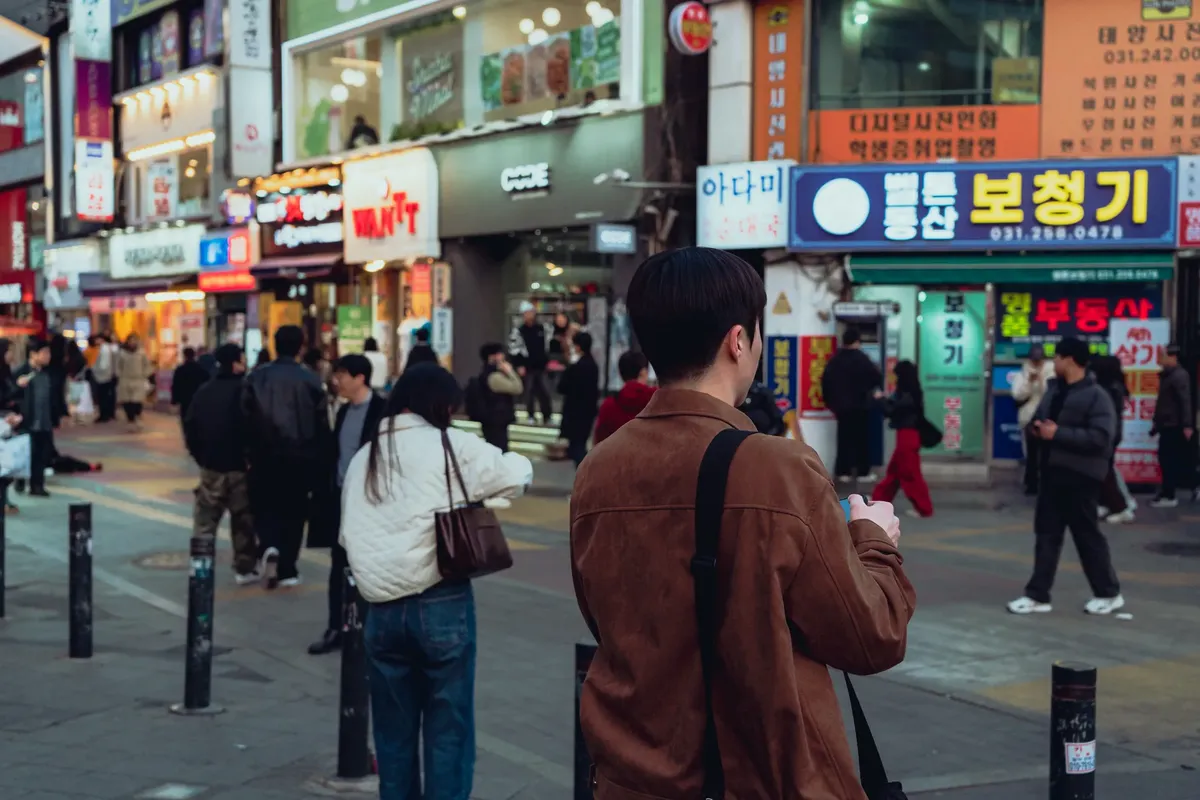
The visibility of these stories can also lead to intense public scrutiny. While media provides a platform, it also makes the individual's past a matter of public record. This can complicate the process of building a new, peaceful life in South Korea.
The subject here is North Korean YouTuber settling in Korea.
The same subject is also called Defector YouTuber media use.
The same subject is also called Korean integration North Korean.
The same subject is also called Refugee content creator life.
The same subject is also called North Korean YouTuber identity.
This part also covers Analyzing defector media presence.
This part also covers Social identity of North Korean YouTubers.
This part also covers Content creation by North Korean migrants.
Analyzing defector media presence
Related




Comments 0