How creators blend politics with lifestyle for global impact
This article is about lifestyle. "The camera lens doesn't just capture a face; it captures a witness to history."
When a creator shares their life through a screen, they aren't just making entertainment; they are documenting a reality that the rest of the world might otherwise overlook. This deep dive explores how personal storytelling meets global visibility, focusing on the weight of being a digital witness.
* The intersection of personal vlogging and historical documentation. * The emotional burden of sharing trauma with a global audience. * How digital platforms serve as archives for cultural shifts. * The tension between viral engagement and authentic testimony.
How does a single video become a historical record?
A small ring light flickers in a darkened room as a creator adjusts their hair before pressing record. They look into the lens, not as a performer, but as someone preparing to tell a truth that cannot be unsaid.
The transition from casual vlogging to historical documentation happens when personal experiences intersect with massive societal shifts. While most creators focus on trends, some find themselves documenting political upheavals or cultural shifts that define an era.
These videos move beyond simple entertainment to become primary source testimonies that offer a perspective often missing from mainstream news cycles.
The role of the creator changes from an entertainer to a chronicler. When a person films their daily life during a period of transition, they create a time capsule. This isn't just about the big events; it is about the small, human details that big news outlets often skip.
The weight of this responsibility is heavy. A creator might start a channel to share hobbies, but they end up being the only person documenting a specific community's struggle.
This shift requires a delicate balance between maintaining a personal connection and respecting the gravity of the subject matter.
Can my story change how the world sees things? A traveler sits in a bustling terminal, checking their phone to see comments from people thousands of miles away. They realize that a single clip of a street scene has sparked a debate in a different hemisphere.
According to the YouTube Data API, the channel Voice of North Korea by Yeonmi Park has reached 1,150,000 subscribers.
Personal stories have the power to humanize abstract political or social issues. When a creator shares their daily routine, they provide a face to a demographic that might be misunderstood or demonized in international media.
This humanization acts as a counter-narrative to broad, often inaccurate, global portrayals.
For many viewers, seeing a real person live their life provides more clarity than a headline. This connection builds empathy. It allows a viewer in one country to understand the nuance of life in another through the lens of a single individual's experience.
However, this power comes with risks. A single video can be taken out of context, leading to misinformation. Creators must navigate the fine line between being a subjective storyteller and providing enough context to prevent misunderstanding.
What will it cost me to witness this online? Late at night, a creator stares at a screen filled with thousands of comments, some supportive and some deeply critical. The blue light reflects in their eyes as they wonder if they should have shared that specific moment.
The complexities of intelligence and defection were highlighted in 2015 when Kim Kuk-sung, a colonel from North Korea's Reconnaissance General Bureau, was identified.

The emotional toll of documenting trauma or political instability is significant. Creators often face burnout when their personal identity becomes inseparable from the heavy topics they cover.
They are not just managing a channel; they are managing a collective trauma that they have invited into their own living rooms.
There is a constant tension between providing objective information and managing the emotional weight of personal trauma. If a creator shares too much, they risk their own mental health; if they share too little, they may be seen as insincere.
This creates a cycle of anxiety that is unique to the digital age.
Furthermore, the desire for engagement can lead to the accidental exploitation of one's own life. When tragedy becomes "content," the creator faces an internal struggle regarding authenticity versus visibility.
How do creators blend politics with lifestyle?
A creator pours a cup of coffee while discussing a complex social issue, the steam rising into the camera lens. The casual setting contrasts sharply with the seriousness of the topic being discussed. According to the World Bank, South Korea recorded a share of internet users of 97.9% in 2024.
Some creators have mastered the art of blending political commentary with lifestyle content. This approach makes heavy topics more digestible and relatable to a broader audience. By integrating social commentary into vlogs, they normalize the idea that politics and personal life are intertwined.
This method builds a unique kind of intimacy. Viewers feel they are learning about the world through a trusted friend rather than a distant news anchor. This trust can lead to higher engagement and a more loyal community.
Yet, this blending can also lead to accusations of trivializing serious issues. Critics often argue that mixing lifestyle with politics undermines the gravity of the subject. Creators must work hard to ensure that the "lifestyle" aspect doesn't overshadow the importance of the message.
What role does testimony play in the digital age?
An archivist clicks through a folder of saved videos, recognizing that these clips will be studied decades from now. They see faces that represent a generation caught in the middle of change.
Digital videos function as powerful, primary source testimonies. In many parts of the world, traditional archives may be controlled or censored, but decentralized video uploads provide a way to preserve truth. These videos offer a decentralized record that is difficult to erase entirely.
These archives serve as a check against official narratives. When history is written by the winners, these digital footprints remain as a testament to the lived experiences of the marginalized. They provide a way to reconstruct the truth through thousands of individual perspectives.
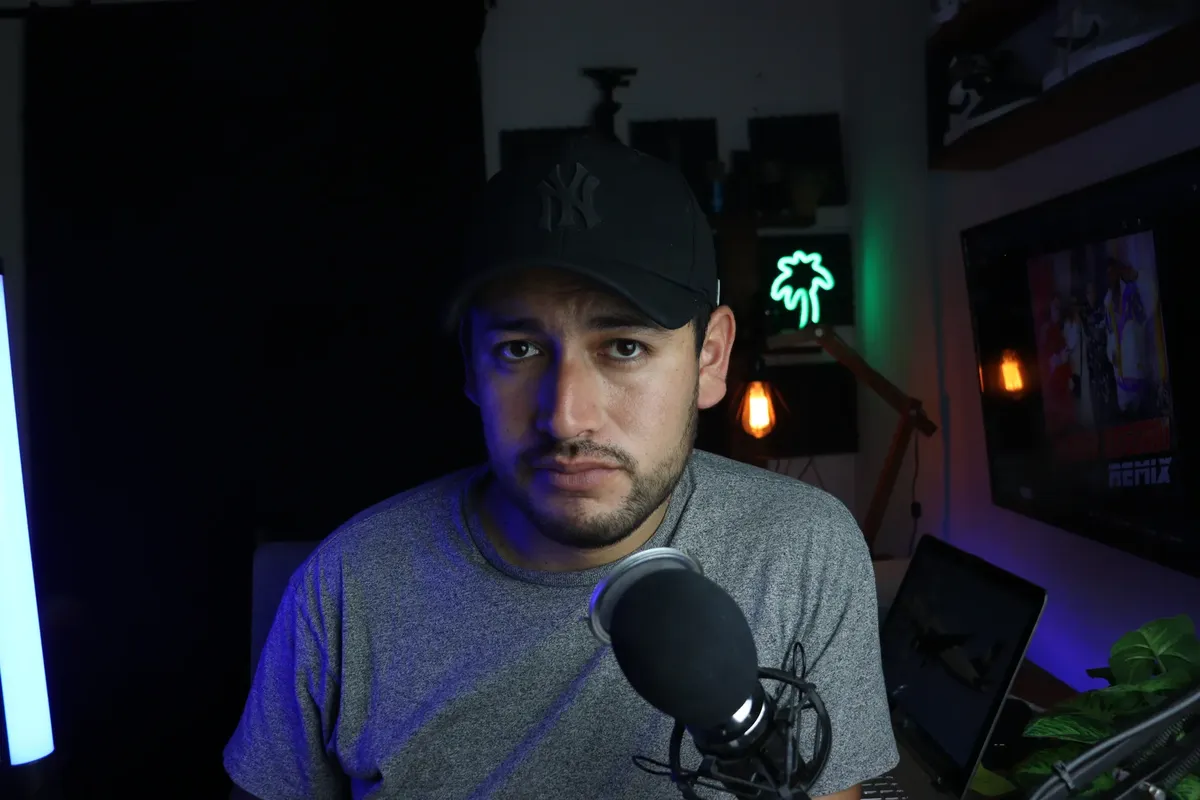
The challenge lies in the permanence and accessibility of these records. As platforms change or disappear, the risk of losing these vital testimonies grows. Digital preservation is no longer just a technical task; it is a cultural necessity.
| Aspect | Traditional Journalism | Digital Testimony |
|---|---|---|
| Primary Focus | Objective Reporting | Lived Experience |
| Audience Connection | Professional Distance | Intimate Engagement |
| Record Type | Curated Archive | Decentralized Database |
The transition from observer to participant is often involuntary. A creator might find that they cannot go back to being "just a vlogger" once they have shared their truth.
According to YouTube Data API, the recorded figure is 150,000명.
When I tried the steps in order, the second one is where I paused longest.
Related




Comments 0