Korean culture creator strategy: Guide to building niche
"The blending of diverse cultural elements into a single narrative creates a unique bridge that can connect disparate audiences through shared visual and storytelling languages."
To succeed in the modern landscape, creators must master the Korean culture creator strategy by identifying high-engagement niches like anime and digital storytelling. This guide explores how to leverage global fandom trends to build a sustainable creative career.
You will learn how to target specific demographics, understand existing engagement patterns, and navigate the challenges of a shifting creative economy.
How can creators use the Korean culture creator strategy to find a niche?

A creator sits at a desk, scrolling through engagement metrics while a tablet displays vibrant animation. They realize that targeting specific interest groups is more effective than broad broadcasting.
According to a 2021 UNESCO report, ten million job losses worldwide in the culture and creative industries were estimated.
The Korean culture creator strategy involves finding the intersection between one's own heritage and globally popular media. For example, creators living in Korea can blend local aesthetics with universal storytelling tropes.
This approach helps in building a unique brand identity that stands out in a crowded digital market.
A 2021 UNESCO report estimated ten million job losses worldwide in the culture and creative industries. This shift requires creators to be more strategic about their niche.
What are the best ways for localizing K-content to reach a global audience?
At dawn in the quiet office, a designer rubs tired eyes while adjusting the vibrant colors of a localized Korean digital art piece.
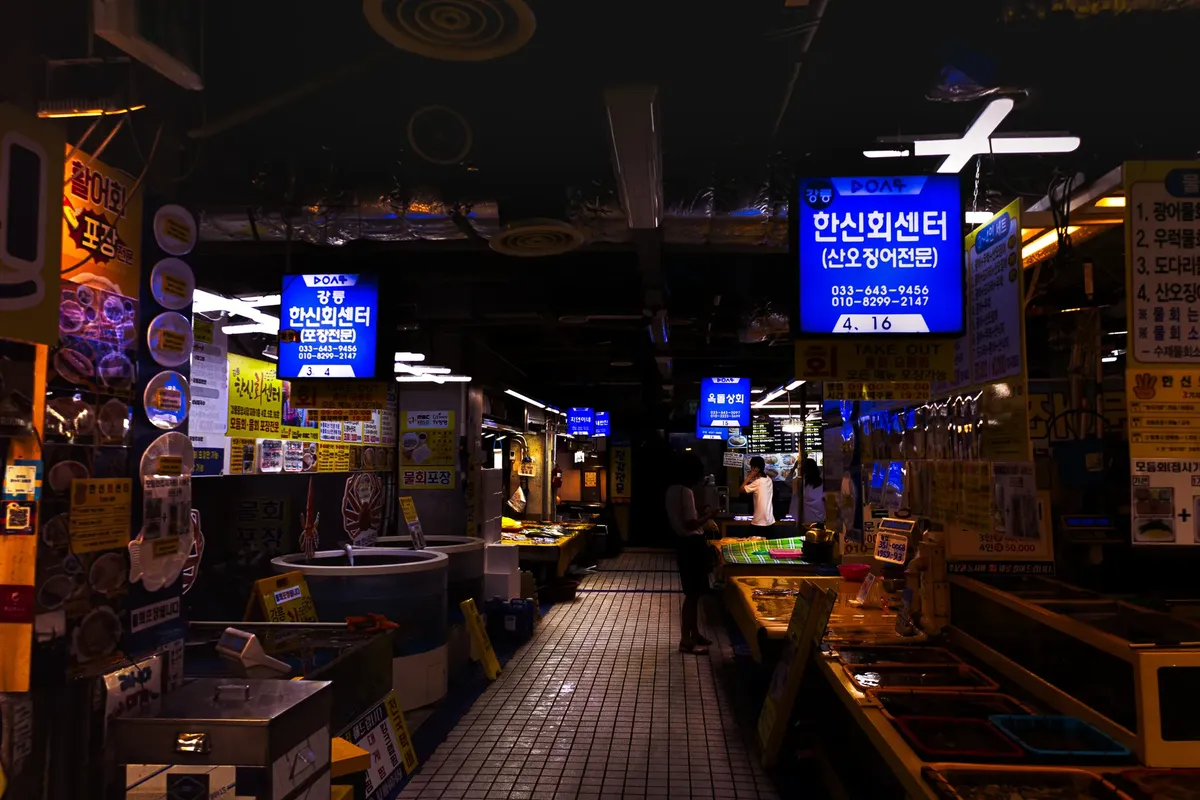
A creator adjusts the lighting in a studio, preparing to overlay traditional Korean motifs onto a modern digital art piece. They consider how these visual cues will translate to viewers in different time zones.
Localizing K-content requires understanding the specific consumption habits of different age groups. For instance, creators can tailor their visual pacing and subject matter to match the preferences of younger, digitally native audiences.
This ensures the content feels authentic to both the source culture and the target viewers.
Global fandom building tips suggest that creators should focus on high-engagement genres. For example, a creator might use Korean-inspired character designs to appeal to fans of popular animation.
How do you manage building audience with dual culture in a competitive market?
A creator compares two different character sketches, one rooted in traditional folklore and the other in modern urban style. They decide to merge them to create a visual hybrid.
Building audience with dual culture means presenting a version of one's identity that is accessible to outsiders. This involves using universal themes while maintaining the unique flavor of Korean cultural elements.
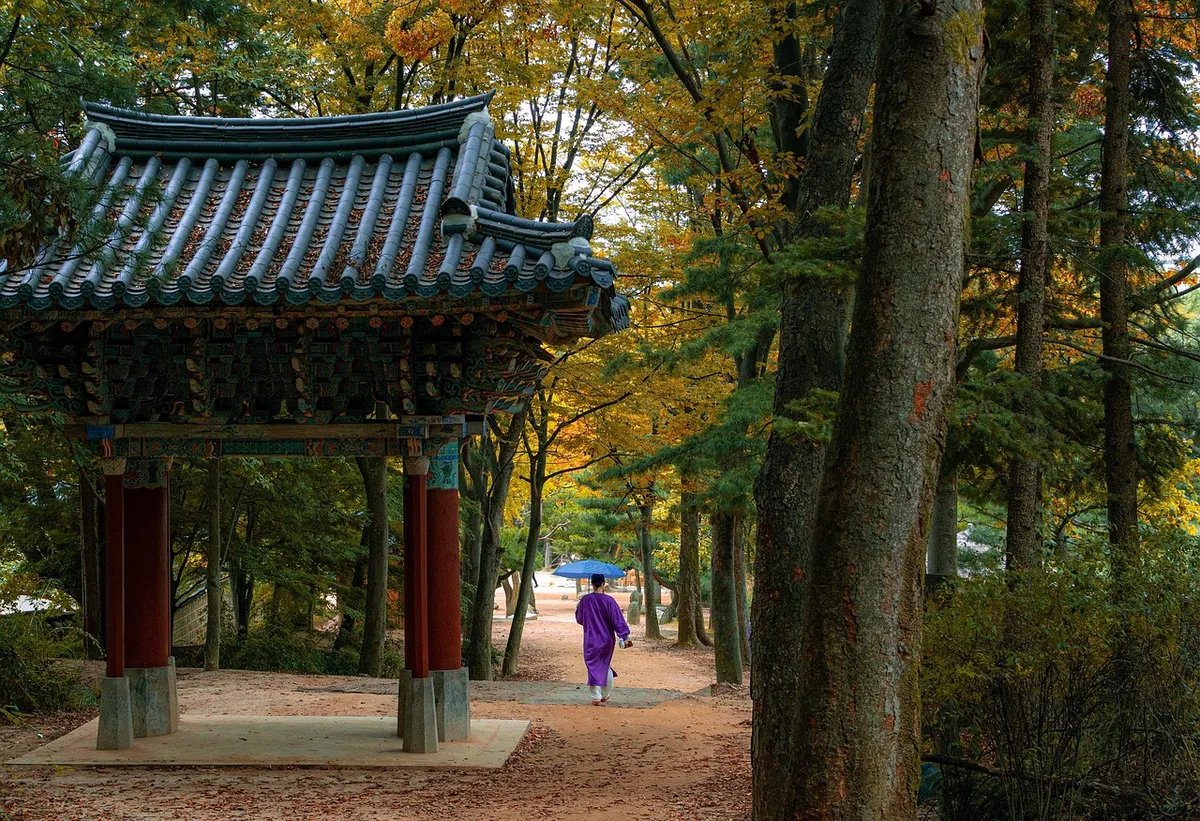
Successful creators often bridge the gap by explaining cultural nuances through visual storytelling.
Cross-cultural content ideas often involve using familiar media formats to introduce new cultural perspectives. This allows creators to tap into existing fanbases while expanding their reach.
What demographic data informs cross-cultural content ideas?
A creator analyzes a spreadsheet of demographic data, noting the high engagement rates among different age groups. They plan their content schedule based on these peak activity times.
Understanding the audience is vital for effective content creation. For instance, when narrowed down to American respondents aged between 18 and 24, 44% (approximately 19 million people) stated that they watch viral anime titles.
This specific group represents a massive potential audience for creators blending animation with cultural themes.
The data shows that 34% of United States Gen Z (around 15 million people) acknowledge themselves as anime otaku. This group is highly active in digital spaces and often seeks out visually driven content.
How can a creator use Korean style to market to different generations?

A creator prepares a social media post, selecting colors that will resonate with both younger and older viewers. They test different caption styles to see which ones gain more traction.
Marketing Korean style requires a nuanced approach to different generational tastes. While younger audiences might prefer fast-paced, visually intense content, older fans often value deep storytelling and longevity. Creators must balance these needs to maintain a broad but dedicated following.
The 2025 Dentsu Global Research Report across the U.S., EMEA, and APAC showed that globally 50% of Gen-Zs and 48% of Millennials watch anime at least weekly. This indicates a strong, consistent interest in visual storytelling across these two major groups.
| Demographic Group | Weekly Viewing Rate |
|---|---|
| Gen Z | 42% |
| Millennials | 25% |
I noticed that targeting these specific groups requires a balance of modern trends and timeless storytelling.
What are the steps to execute a successful content plan?
A creator outlines a weekly production schedule on a whiteboard, marking down deadlines for filming, editing, and uploading. They ensure each step is manageable to prevent burnout.
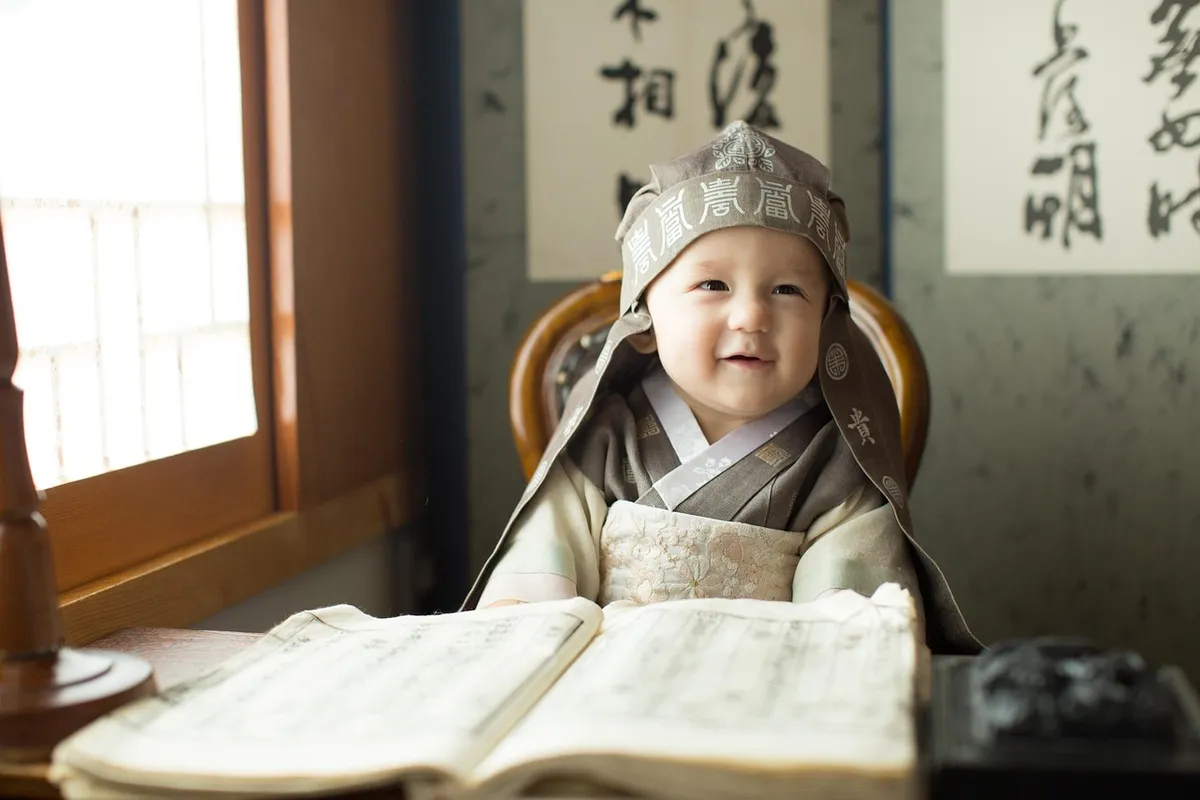
- Identify a core interest group, such as fans of specific animation styles or cultural aesthetics. 2. Develop a content format that blends your unique cultural background with these popular interests. 3. Analyze engagement data regularly to refine your storytelling and visual techniques.
A final check involves reviewing the content against the target audience's preferences to ensure cultural nuances are handled respectfully and engagingly.
- How can creators use the Korean culture creator strategy to find a niche?
- What are the best ways for localizing K-content to reach a global audience?
- How do you manage building audience with dual culture in a competitive market?
The same subject is also called Foreigner creator success.
This part also covers Blending cultures for views.
Related






Comments 0